
Coffee Beans Explained: Origin, Roast Level, and Freshness
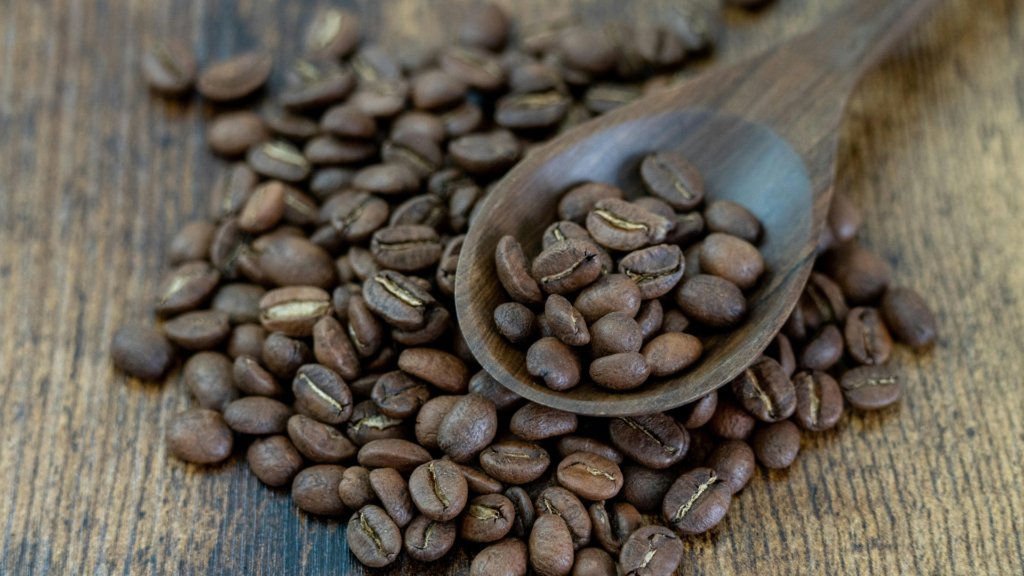
Not every coffee bean tastes the same. Before buying coffee beans, there are a few things you should understand first.
Origin
Origin means where the coffee beans come from.
Beans from different countries or regions can have different taste directions. Some may taste more fruity, some more nutty, some more chocolatey, and some may feel more bright or acidic. Different origins can also have different processing methods.
But for beginners, you do not need to memorize every country. Even when I worked as a barista for around 2 years, I did not try every origin. Most normal coffee drinkers also will not buy and test so many different beans.
So yes, origin matters, but don’t stress too much about it at the start. The criteria below are usually more practical when you are choosing coffee beans.
Coffee Species
The second thing to check is coffee species — usually Arabica and Robusta.
Arabica and Robusta are different types of coffee plants. If you go deeper, they also have differences in how the beans look, how they grow, the flavour, caffeine level, and cost.
But for normal buyers, you can understand it in a simple way.
In cafés, they usually use Arabica. It costs higher, tastes smoother, and usually has lower caffeine.
Robusta is more common in kopitiam-style coffee. It costs lower, tastes stronger and more bitter, and usually has higher caffeine.
There is no absolute good or bad. They exist for different purposes. If you want to enjoy the coffee flavour, Arabica is usually easier to recommend. If you want stronger caffeine for work, Robusta may fit better.
Roast Level
The third thing to check is roast level.
Usually, coffee beans come in three common roast levels: light, medium, and dark.
Light roast usually tastes brighter and more sour. Medium roast is more balanced. Dark roast usually tastes stronger, more bitter, and more roasted.
Origin can give you a general idea of the coffee’s flavour direction, but roast level is usually easier for normal buyers to understand. It can tell you whether the coffee may taste more sour, balanced, or bitter before you buy it.
Freshness
Freshness means how long the coffee beans have been kept after roasting.
Coffee beans have an expiry date, but for taste, the roast date is usually more useful. After roasting, beans slowly lose aroma and flavour because of air and oxidation.
But fresh does not always mean “use immediately.” Many beans need a few days to rest after roasting before the taste becomes more stable.
Some people say beans can still taste good for more than 1 month, while some prefer to finish them within 2 weeks. For me, I would suggest finishing them around 3 weeks if possible.
The longer you keep the beans, the more flavour you may lose. So when buying beans, try to check the roast date, not only the expiry date.
A Simple Way to Choose Coffee Beans
When you buy coffee beans, you do not need to know everything perfectly. Just understand the basic situation first — the species, origin, roast level, and freshness.
If you have never tried that brand or bean before, buy a small pack first. Taste it, compare it, and slowly find what fits you.