
What Happens When You Make Espresso?
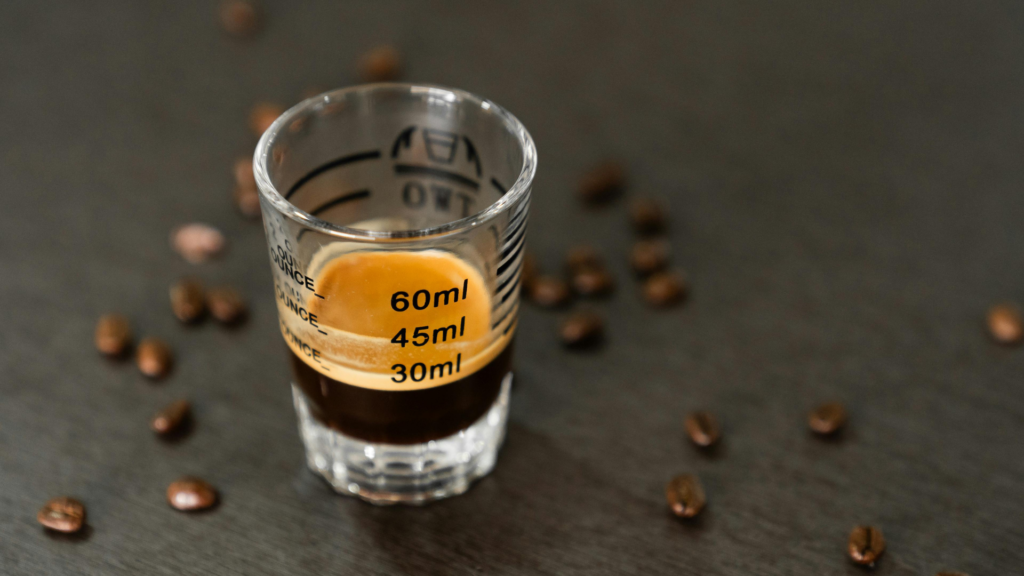
Espresso is the base of many café coffees.
It looks simple, but a lot is happening when espresso is made. Hot water is pushed through ground coffee and pulls flavour out from the bean.
In this process, a few things can change the final taste — bean freshness, grind size, water, pressure, and extraction time.
Start With the Bean
This is the most basic part.
Fresh beans usually give more aroma and brighter acidity. Older beans usually taste flatter and weaker.
Roast level also changes the taste. Light roast usually tastes brighter and more acidic, while dark roast usually tastes stronger, heavier, and more bitter.
It sounds simple, but the bean is usually the first signal that tells you what kind of espresso taste you may get.
Grind Size Controls the Flow
Grind size controls how fast water can pass through the coffee.
If the grind is finer, water passes slower, so the coffee extracts longer. This can bring out more flavour, aroma, and acidity from the bean. But if the grind is too fine, the espresso may become too bitter, too heavy, or even taste burnt.
If the grind is coarser, water passes faster. This may make the espresso lighter and less intense. For older beans, we sometimes avoid extracting too long because there is less aroma left to pull out. If we force it too much, the espresso may taste bitter, flat, or burnt.
The same idea can also apply to roast level. Light roast coffee may need more extraction to bring out enough flavour, while dark roast coffee may need less extraction to avoid too much bitterness. But this is not a fixed rule. The final answer still depends on the taste.
Espresso Volume
Espresso volume means how much espresso you get in the cup.
Usually, cafés already have a fixed recipe. Some use 1:2, some use 1:3. This means the barista controls how much liquid espresso comes out from the coffee powder.
It is important to know the earlier part of espresso usually carries more aroma, crema, and body. The later part can become thinner and more bitter.
Most of the time, we adjust grind size first. But if the taste still does not feel right, espresso volume is another thing baristas can adjust.
Tamping Pressure
The harder you tamp, the harder it is for water to pass through the coffee. So yes, tamping pressure can affect the espresso, similar to grind size.
But usually, baristas do not use tamping pressure as the main way to control taste. Tamping depends a lot on hand feeling, experience, and habit. If your pressure changes every time, the espresso result will also become less stable.
There are already many variables in espresso, so tamping should stay as consistent as possible. It can affect the espresso, but it is better to keep it stable instead of using it as the main adjustment.
A Simple Way to Understand Espresso Taste
These are the main variables you need to notice when controlling espresso.
Why do we care about sourness, bitterness, strength, and aroma? Because we are not always chasing one fixed taste. Sometimes the purpose is different.
If the beans are fresh, we may want to bring out more aroma and brightness. If the beans are older, we may avoid extracting too much because the aroma is weaker, and over-extracting may make the espresso taste bitter, flat, or burnt.
For some drinks, we need a stronger espresso. For some drinks, we need a cleaner and more balanced espresso. So the adjustment depends on what you are trying to make.
Espresso is not only about following one rule. You need to understand the bean condition, the drink purpose, and then adjust based on the result.